
Additions, or structural expansions, are a critical aspect of modern real estate development, enabling businesses and families to adapt to evolving needs. However, the process of adding onto existing structures presents unique challenges, from navigating complex legal frameworks like Contract Law and Property Law to ensuring compliance with local Zoning Boards and Environmental Agencies. This article examines the intricacies of managing additions, exploring the roles of key professionals such as Architects and Civil Engineers, and highlighting the importance of seamless communication among all parties involved. By the end, readers will grasp the comprehensive approach needed to transform spaces while minimizing disruption and maintaining community harmony.
Planning and Design: Crafting Custom Additions
In the vibrant landscape of Austin, crafting custom additions requires careful planning and design to seamlessly integrate new spaces with existing structures. This process involves an intricate dance between the homeowner’s vision, the architect’s artistry, and the contractor’s expertise. To avoid common pitfalls, it’s crucial to understand the nuances of the local market, including building codes and zoning regulations, which can significantly impact the design and feasibility of your project. Austin’s unique urban fabric demands careful consideration of neighborhood character and community input, as additions must complement the existing environment.
Choosing a qualified provider for your addition project in Austin is paramount. Homeowners should diligently vet potential contractors, focusing on their experience, reputation, and understanding of local regulations. Referrals from trusted sources and a thorough review of past projects can be invaluable. Engaging with professionals who specialize in custom additions ensures a project that not only meets but exceeds expectations, aligning with the unique aesthetic and functional needs of your home. This strategic selection process directly addresses the concern: Is addition worth it in Austin? The answer lies in meticulous planning, expert execution, and the final product’s ability to enhance your living experience, all contingent on choosing the right partner.
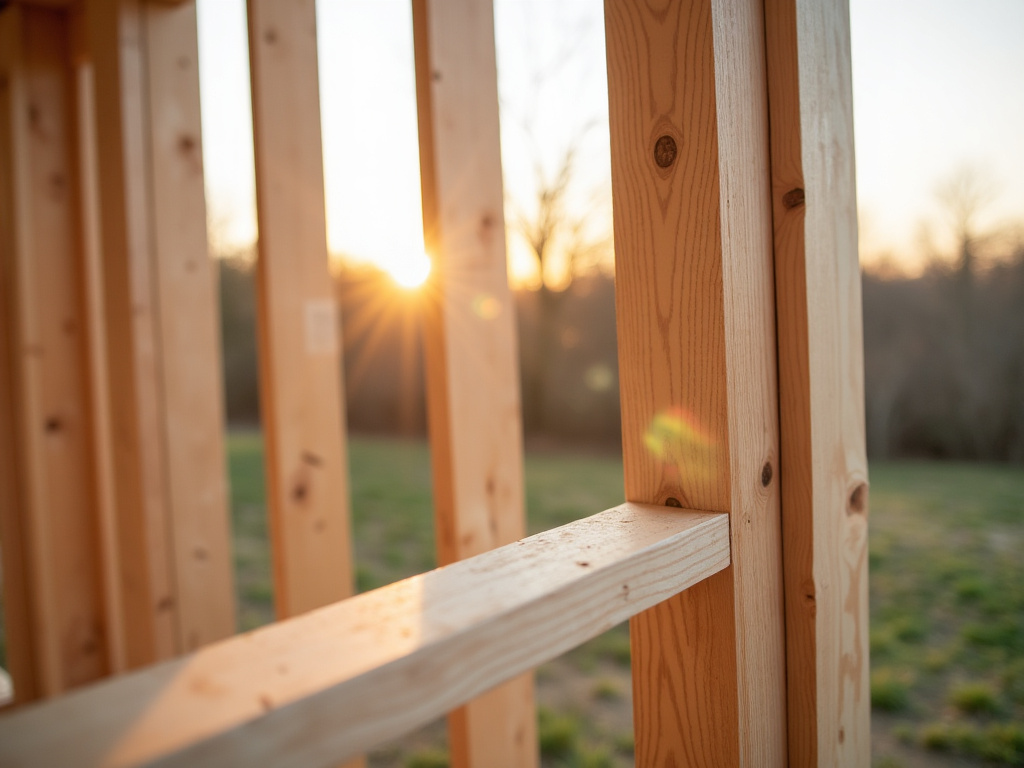
Home Additions in Austin: Where to Start
Looking for home additions in Austin, TX? Golden State Builders home additions serves the local area and can answer questions specific to Austin.
Avoiding problems with additions in Austin necessitates a proactive approach. Homeowners should be vigilant in addressing potential issues like inadequate structural support, permit violations, or unexpected site challenges early in the process. Engaging in open communication with architects and contractors can mitigate these risks. A thorough site analysis and detailed planning can help foresee structural requirements and potential zoning hurdles. By embracing a proactive mindset, you can ensure your addition project is not only successful but also a seamless extension of your Austin home, contributing to its value and your satisfaction.
| Factor | What to know |
|---|---|
| Choosing a provider | Vet contractors for experience, reputation, licenses, insurance, and past project reviews |
| Design & planning | Architects and engineers create blueprints ensuring code compliance and structural integrity |
| Permits & regulations | Interact with Building Department and zoning boards to secure required permits |
| Construction coordination | Contractors manage subcontractors, timelines, and concurrent electrical/plumbing work |
| Community engagement | Address neighborhood associations' concerns to maintain positive community relations |
| Common pitfalls | Avoid poor foundations, inadequate ventilation, and permit violations during construction |
Construction Process: Efficient and Precise Execution
The construction process for additions in Austin involves a series of precise, interlinked steps designed to transform your property efficiently. Before breaking ground, thorough planning and design are crucial. Architects and civil engineers collaborate to create detailed blueprints, ensuring structural integrity and alignment with local building codes and zoning regulations. This meticulous phase is vital to avoid costly mistakes later in the process.
Once approved, the addition’s construction phase demands close coordination among general contractors, subcontractors, and permitting agencies. A well-managed project timeline, clearly communicated by the contractor, helps mitigate delays. Concurrent work on electrical and plumbing systems can speed up overall completion, but only if scheduled and executed competently. Effective communication and quality control checks at every stage are essential to prevent problems that can significantly increase Austin addition costs.
Community and environmental impact must also be considered. Zoning boards and environmental agencies review construction plans to ensure they comply with local regulations and protect neighboring properties. Local communities and neighborhood associations may have specific concerns, and addressing them proactively fosters a positive relationship. Understanding the unique characteristics of your Austin neighborhood and engaging with stakeholders can enhance the project’s success and value.
While additions can significantly enhance property value and functionality, it’s crucial to approach the process with care. Avoiding common problems, such as poor foundation work or inadequate ventilation, is key to ensuring a successful project. Is additions worth it in Austin? The answer lies in thoughtful planning, competent execution, and addressing community concerns. By prioritizing efficiency, precision, and community engagement, you can transform your property into a valuable asset, making the process not just worthwhile but rewarding. Remember, the distinction between "additions" and "editions" here is subtle: both involve enhancing your space, but "additions" typically refer to physical extensions, while "editions" might imply updating or remodeling existing areas.

Integrating Additions: Seamless Blend with Existing Structures
Integrating new additions into an existing structure requires careful planning and expertise to ensure a seamless blend. When expanding an Austin home or building, the choice of the additions provider is crucial. Homeowners should consider engaging a licensed general contractor or architect who specializes in custom residential projects. These professionals can guide through the process, ensuring the additions complement the original design while adhering to local building codes and regulations.
The additions process involves several steps. Initially, a thorough assessment of the existing structure is conducted to understand its structural integrity and identify any potential challenges. Architects and civil engineers may collaborate to create detailed plans, considering factors like load-bearing capacity, utility rerouting, and permit requirements from local permitting agencies. In Austin, homeowners often need to interact with the city’s Building Department to obtain necessary permits. Once approved, construction begins, with general contractors managing the labor and materials. Regular communication and site visits are essential to address any unforeseen issues promptly.
Choosing the right provider is key to a successful addition. Homeowners in Austin should conduct thorough research, obtaining referrals from trusted sources and reviewing past projects. Verifying licenses and insurance is vital. Understanding the difference between additions and editions is important. While both involve expanding a structure, editions typically refer to modifications that do not alter the building’s footprint, such as remodeling interior spaces. Additions, on the other hand, involve physical extensions, requiring more extensive planning and construction work. By selecting a provider based on these factors, Austin residents can ensure their additions project aligns with their vision and enhances their living spaces.
Frequently Asked Questions About Additions
What are additions, and how do they benefit homeowners?
Additions are structural extensions to a home, increasing living space and functionality. They offer numerous benefits, including enhanced comfort, improved privacy, and increased property value. Whether it’s a new room, a patio, or a garage, additions cater to changing family needs, allowing homeowners to create dedicated spaces for various activities.
How do I determine if an addition is right for my property?
Several factors influence this decision. Consider your family’s needs, budget, and the property’s current state. Assess if the existing structure can support an addition or if significant renovations are required. Consulting with a professional contractor or architect is crucial to understand the feasibility and potential impact on your property’s value.
What are the typical types of additions and their costs?
Additions come in diverse forms, from simple deck extensions to complex multi-room structures. Costs vary widely, depending on size, complexity, materials, and location. A modest deck addition can range from a few thousand to tens of thousands of dollars, while a full-scale second story or basement finish might cost hundreds of thousands, especially in urban areas.
Who should I hire for my addition project?
Choosing a qualified and experienced contractor is essential. Research local professionals, request quotes, and check references. Ensure they have a proven track record of successful additions, especially in your area. The right contractor will provide valuable insights, help navigate permits, and deliver a high-quality outcome.
Are there any regulatory or zoning considerations for additions?
Yes, local regulations and zoning laws often govern additions. Check with your municipality to understand building codes, set-back requirements, and permitted uses. Non-compliance can result in fines or project delays. A professional architect or contractor can guide you through these processes to ensure your addition complies with all necessary regulations.
How long does a typical addition project take to complete?
Project timelines vary based on size and complexity. A small deck addition might take a few weeks, while more substantial projects can span several months. Permitting and material procurement contribute to delays. Effective project management and clear communication with your contractor can help keep the process on track and within the estimated timeline.
The comprehensive exploration of additions reveals a meticulous process, from initial planning and design to the seamless integration of new structures with existing ones. Crafting custom additions requires a deep understanding of both the client’s needs and the existing architecture, as demonstrated by architects and civil engineers. The construction process emphasizes efficiency and precision, crucial for minimizing disruptions and ensuring structural integrity. Integrating these additions successfully demands careful consideration of zoning regulations, environmental impact, and community feedback, as evidenced by the role of local communities and permitting agencies.
Practical takeaways emerge: first, a holistic approach that combines design, construction, and regulatory compliance is essential. Second, the value of customization and precision in crafting additions cannot be overstated. Lastly, successful integration requires proactive engagement with local stakeholders.
Moving forward, developers and property owners can apply these insights to navigate the additions process more effectively. By prioritizing these key aspects, they can create projects that enhance, rather than disrupt, their surroundings, ultimately contributing to thriving communities and sustainable development.
Golden State Builders
3355 Bee Caves Rd Ste 101, Austin, TX 78746
Website: gsbuildersgrouptx.com
View Golden State Builders on Google Maps
How to get to Golden State Builders from Randalls
If you’re over by Randalls, you’re only a few minutes from Golden State Builders. Head out on W Ben White Blvd and you’ll find us on Bee Caves Rd Ste 101 at 3355 Bee Caves Rd Ste 101, Austin, TX 78746. Use the map below for turn-by-turn directions.
For related local guidance, see our additions resources.