Additions: Navigating the Global Landscape and Shaping the Future
Introduction
Additions, a multifaceted concept encompassing various enhancements and appendices, have become an integral part of modern development across sectors. This article delves into the intricate world of additions, exploring its historical roots, global impact, economic implications, technological advancements, regulatory frameworks, challenges, and the promise of future prospects. By examining these aspects, we aim to provide a comprehensive understanding of how additions are reshaping our world and what lies ahead on this dynamic path.
Understanding Additions: Definition and Core Components
At its core, an addition refers to the process or result of adding something extra to enhance, expand, or improve existing structures, systems, or concepts. It involves the strategic incorporation of new elements, be it physical, digital, or conceptual, to augment functionality, performance, or value. Additions can manifest in diverse forms:
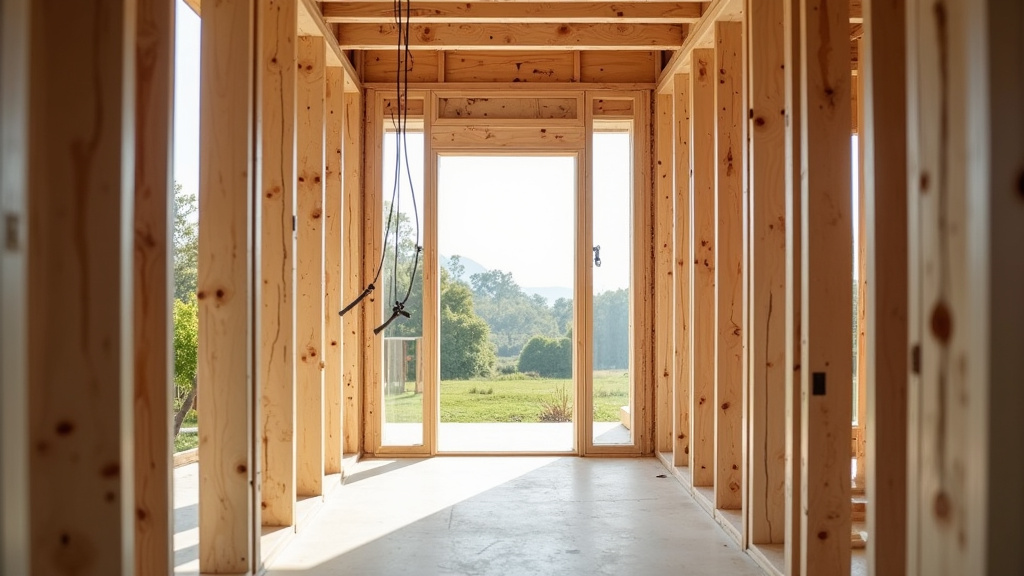
- Architectural and Construction: The addition of new wings, floors, or extensions to buildings, such as a modern glass atrium attached to an historic structure.
- Technological: Integrating cutting-edge software or hardware into existing systems to boost efficiency and capabilities, like adding AI chatbots to customer service platforms.
- Regulatory: Implementing additional rules or guidelines to enhance governance and compliance, for instance, introducing stricter data privacy regulations.
- Social and Cultural: Incorporating new practices or traditions to enrich community life, such as establishing multicultural event series in urban centers.
Historically, the concept of addition has been a driving force behind human progress, from the construction of grand monuments to the development of complex technologies. The ancient Romans, for example, were renowned for their architectural additions, creating intricate systems of aqueducts and public baths that still stand as testaments to their engineering prowess. In modern times, additions have become more nuanced, catering to evolving needs and demands in an increasingly interconnected world.
Global Impact and Trends
Additions have left an indelible mark on the global landscape, with varying trends and influences across regions:
-
North America and Europe: These regions have historically been at the forefront of technological additions, driving innovation in fields like artificial intelligence, renewable energy, and digital infrastructure. For instance, Silicon Valley has been a global hub for tech startups, fostering rapid advancements in software and hardware additions that have revolutionized industries worldwide.
-
Asia Pacific: The region's rapid urbanization and economic growth have fueled demand for architectural additions, particularly in urban centers like Tokyo and Singapore. Additionally, countries like South Korea and Japan have made significant strides in robotics and automation, integrating advanced robotic systems into various sectors to enhance productivity and efficiency.
-
Middle East and Africa: These regions are witnessing substantial investments in infrastructure and construction additions, driven by growing populations and ambitious development projects. Dubai, for example, is known for its iconic architectural marvels, featuring innovative design elements and structural additions that have placed it on the global stage.
-
South America: With a focus on sustainability, several countries in South America are embracing green additions, incorporating renewable energy sources, efficient building practices, and eco-friendly transportation systems into their development plans.
Economic Considerations: Market Dynamics and Investment Patterns
The economic implications of additions are profound, shaping industries, markets, and global trade:
-
Market Growth: Additions often drive market expansion by introducing new products, services, or business models. For instance, the integration of electric vehicle (EV) charging infrastructure has sparked a boom in the green energy sector, attracting significant investments from both public and private sectors.
-
Investment Trends: Investors are increasingly drawn to addition-focused projects due to their potential for long-term returns. Technological innovations, such as AI and blockchain, have attracted substantial venture capital funding, leading to rapid development and commercialization of these additions.
-
Economic Diversification: Additions can help diversify economies by fostering new industries and job creation. For example, the emergence of e-commerce platforms in developing countries has added new revenue streams, reduced dependence on traditional retail, and created numerous employment opportunities.
-
Cost-Benefit Analysis: While additions bring benefits, they also incur costs. Balancing investment with return is crucial, especially for public sector projects. Thorough cost-benefit analyses are essential to ensure that additions provide sustainable value to society and the economy.
Technological Advancements: Driving Change Forward
Technology plays a pivotal role in shaping the addition landscape, with innovations continually pushing boundaries:
-
Artificial Intelligence (AI): AI is revolutionizing numerous sectors by enabling automated decision-making, predictive analytics, and personalized experiences. From AI-powered virtual assistants to advanced computer vision systems, these additions enhance efficiency, accuracy, and customer satisfaction across industries.
-
Internet of Things (IoT): The IoT connects physical devices and objects to the internet, allowing them to exchange data and interact remotely. Smart homes, cities, and factories are examples of IoT additions that improve convenience, energy efficiency, and operational effectiveness.
-
Blockchain and Decentralization: Blockchain technology has gained prominence for its role in cryptocurrencies but also offers secure and transparent record-keeping capabilities. Smart contracts, decentralized applications (dApps), and supply chain management systems based on blockchain are reshaping industries by enhancing security, reducing costs, and increasing transparency.
-
Renewable Energy and Green Technologies: The push for sustainability has led to technological advancements in renewable energy sources like solar, wind, and hydro power. Innovations in battery storage, smart grids, and energy-efficient appliances are making clean energy more accessible and affordable.
Policy and Regulation: Governance in Additions
Effective governance is essential to navigate the complex landscape of additions, ensuring their responsible development and deployment:
-
Regulatory Frameworks: Governments worldwide have introduced policies and regulations to oversee various types of additions. These include data privacy laws, environmental standards, building codes, and industry-specific directives. For instance, the European Union's General Data Protection Regulation (GDPR) sets stringent rules for handling personal data, impacting numerous digital addition projects.
-
Licensing and Permitting: Many jurisdictions require permits and licenses for certain types of additions, especially in construction and technology sectors. These processes ensure compliance with regulations and protect public safety.
-
Incentives and Subsidies: Governments often provide incentives to encourage specific additions, such as tax breaks or subsidies for renewable energy projects. These measures promote innovation and accelerate the adoption of beneficial technologies.
-
International Cooperation: Additions often transcend borders, necessitating international cooperation on policy matters. Agreements like the Paris Climate Agreement set global standards for sustainable development, guiding countries in their efforts to combat climate change through technological additions.
Challenges and Criticisms: Overcoming Barriers
Despite its numerous benefits, the addition process faces several challenges and criticisms that require thoughtful strategies for resolution:
-
Cost and Funding: One of the primary concerns is the high cost of implementing additions, particularly in infrastructure and technology sectors. Securing adequate funding, especially for public projects, can be challenging. Public-private partnerships (PPPs) have emerged as a viable solution, sharing risks and resources to facilitate addition development.
-
Technological Complexity: As additions become more technologically advanced, ensuring interoperability and compatibility among different systems becomes complex. Standardization and open-source approaches can help address these challenges, fostering collaboration and avoiding vendor lock-in.
-
Data Privacy and Security: With the surge in digital additions, protecting sensitive data has become a critical concern. Data breaches and privacy invasions have led to increased scrutiny of handling personal information. Implementing robust cybersecurity measures and adhering to strict data protection regulations are essential to address these issues.
-
Social and Cultural Barriers: In some cases, additions may face resistance from local communities or cultural groups, especially in architecture and social practices. Engaging stakeholders, promoting community involvement, and preserving cultural heritage while embracing innovation can help overcome such barriers.
Case Studies: Real-World Successes and Lessons Learned
1. Smart Cities in Singapore
Singapore is renowned for its ambitious smart city initiatives, which involve integrating technology into urban infrastructure to enhance the quality of life. The city-state has successfully added numerous digital solutions, including a comprehensive e-government platform, real-time traffic management systems, and intelligent transportation networks. These additions have led to improved efficiency, reduced congestion, and enhanced public services.
Lessons Learned:
- Collaborative efforts between government agencies, technology providers, and citizens are crucial for the success of smart city projects.
- Investing in robust digital infrastructure is essential to support various addition initiatives.
- Engaging with the community ensures buy-in and facilitates the adoption of new technologies.
2. Green Energy Transition in Denmark
Denmark has made significant strides in its transition to renewable energy sources, becoming a global leader in wind power and sustainable practices. The country's addition of offshore wind farms, coupled with investments in energy storage solutions, has enabled it to generate a substantial portion of its electricity from clean sources. This shift has reduced carbon emissions, fostered economic growth, and positioned Denmark as an industry innovator.
Lessons Learned:
- Long-term policy commitments and consistent support for renewable energy initiatives are vital for driving systemic change.
- Diversifying renewable energy portfolios enhances resilience and ensures a stable supply.
- Public-private partnerships can accelerate the development of green technologies.
3. Digital Transformation in Healthcare (COVID-19 Response)
The COVID-19 pandemic accelerated digital transformations across various sectors, including healthcare. Many hospitals and healthcare providers rapidly adopted telemedicine, digital patient records, and contact tracing apps as additions to their existing systems. These measures improved access to medical services, facilitated data-driven decision-making, and enhanced disease surveillance during the crisis.
Lessons Learned:
- Global crises can serve as catalysts for rapid technological adoption in healthcare, improving patient outcomes and operational efficiency.
- Secure digital infrastructure and data privacy protocols are essential when implementing additions in critical sectors like healthcare.
- Collaboration between technology providers, healthcare professionals, and policymakers is necessary to address ethical and security concerns related to digital additions.
Future Prospects: Emerging Trends and Strategic Considerations
The addition landscape is poised for further growth and transformation, with several emerging trends shaping the road ahead:
-
Sustainable Additions: Environmental sustainability will remain a top priority, driving innovations in green technologies, circular economy practices, and eco-friendly building designs. Countries like Sweden are leading by example with their zero-waste initiatives and renewable energy targets.
-
Digital Integration: The fusion of physical and digital worlds will continue to deepen, creating seamless experiences across industries. Augmented reality (AR), virtual reality (VR), and mixed reality (MR) technologies will be increasingly integrated into education, entertainment, healthcare, and retail sectors, enhancing user experiences and driving engagement.
-
Decentralization and Blockchain: Decentralized applications and blockchain technology are expected to disrupt various sectors, offering enhanced security, transparency, and control to users. Supply chain management, voting systems, and digital identity verification are areas where blockchain additions can bring significant improvements.
-
Personalized Medicine: Advancements in AI, genomics, and wearable health devices will enable more precise and personalized healthcare solutions. This trend will empower individuals to take charge of their health through proactive monitoring and tailored treatments.
Conclusion: Shaping a Better Future Through Additions
Additions serve as a powerful catalyst for progress, driving innovation, enhancing efficiency, and improving lives worldwide. From architectural marvels to cutting-edge technologies, the global community has embraced additions across diverse sectors. As we navigate the complex landscape of the future, it is essential to continue fostering collaboration, encouraging technological advancements, and addressing regulatory challenges.
By learning from successful case studies, understanding regional trends, and embracing sustainable practices, we can harness the full potential of additions. The path ahead is filled with opportunities for growth, transformation, and a brighter, more connected world. As we delve into this dynamic realm, let us remember that additions are not merely appendages but essential tools for crafting a better future.
FAQ Section: Addressing Common Concerns
Q1: How do additions impact local communities and culture?
A1: Additions can have both positive and negative effects on local communities. When well-planned and inclusive, they can enhance cultural heritage, create jobs, and improve infrastructure. However, rapid development or culturally insensitive practices may lead to community displacement and social tensions. Engaging with stakeholders and prioritizing community needs is crucial for successful addition projects.
Q2: What are some common challenges in implementing technological additions?
A2: Technological additions often face challenges related to interoperability, data security, and cost. Ensuring that different systems can communicate seamlessly is critical. Data privacy concerns, especially with sensitive information, require robust cybersecurity measures. Additionally, high implementation costs and the need for specialized skills can hinder adoption.
Q3: How do regulatory frameworks support additions?
A3: Regulatory frameworks provide a structured environment for additions by setting standards, guidelines, and policies. They ensure safety, protect consumer rights, and maintain environmental sustainability. Governments use regulations to manage risks associated with new technologies and innovations, fostering a conducive environment for responsible addition development.
Q4: Can you explain the role of AI in modern additions?
A4: Artificial Intelligence plays a pivotal role in additions by enabling automation, data-driven decision-making, and personalized experiences. From predictive maintenance in manufacturing to natural language processing in customer service chatbots, AI enhances efficiency, accuracy, and user satisfaction across industries. It also powers advanced analytics, allowing businesses to gain insights from vast datasets.
Q5: What are some potential risks associated with blockchain technology?
A5: Blockchain offers numerous benefits but also presents certain risks. Security vulnerabilities, such as smart contract bugs or decentralized application (dApp) hacks, can lead to significant financial losses. Additionally, the energy consumption of mining processes in blockchain networks has raised environmental concerns. Regulatory uncertainty and privacy issues related to decentralized data storage are other challenges that require ongoing attention and research.