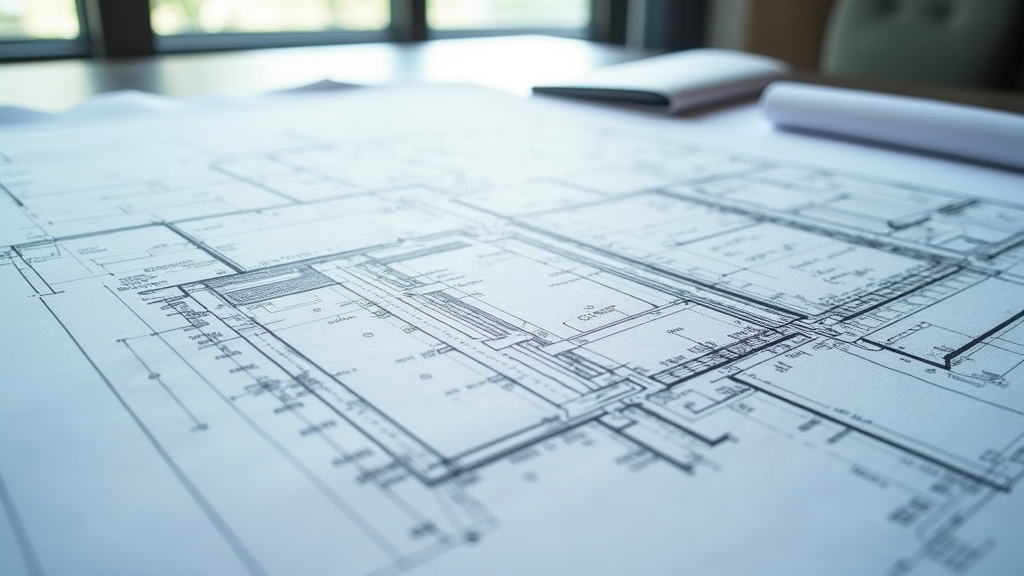
Additions, be they to homes or communities, are a driving force behind economic growth and personal enrichment. However, the process is fraught with legal complexities, from navigating contract law to securing necessary permits. The challenge lies in balancing development with community needs and environmental considerations. Zoning boards, for instance, must ensure new additions harmonize with existing neighborhoods while environmental agencies scrutinize potential impacts. This article examines into the multifaceted world of additions, offering practical insights into legal definitions, construction best practices, and community engagement strategies. By the end, readers will grasp the intricacies of this vital process and be equipped to handle it successfully.
Planning Effective The service: Strategies for Success
When planning the service—be it an extension to your home or a new building on a development site—a strategic approach is important. This involves careful consideration of legal frameworks, design, construction, and community impact. In Austin, for instance, where real estate development is booming, understanding local regulations and common pitfalls can significantly enhance project outcomes.
Legal aspects play a key role in successful the service. Architects and builders must handle property law and contract stipulations. This includes understanding building codes and permits, which can vary by neighborhood and project type. Historical districts in Austin have stricter regulations on exterior modifications. Engaging with experienced professionals who are familiar with local laws and have handled similar projects can help avoid costly delays or legal issues.
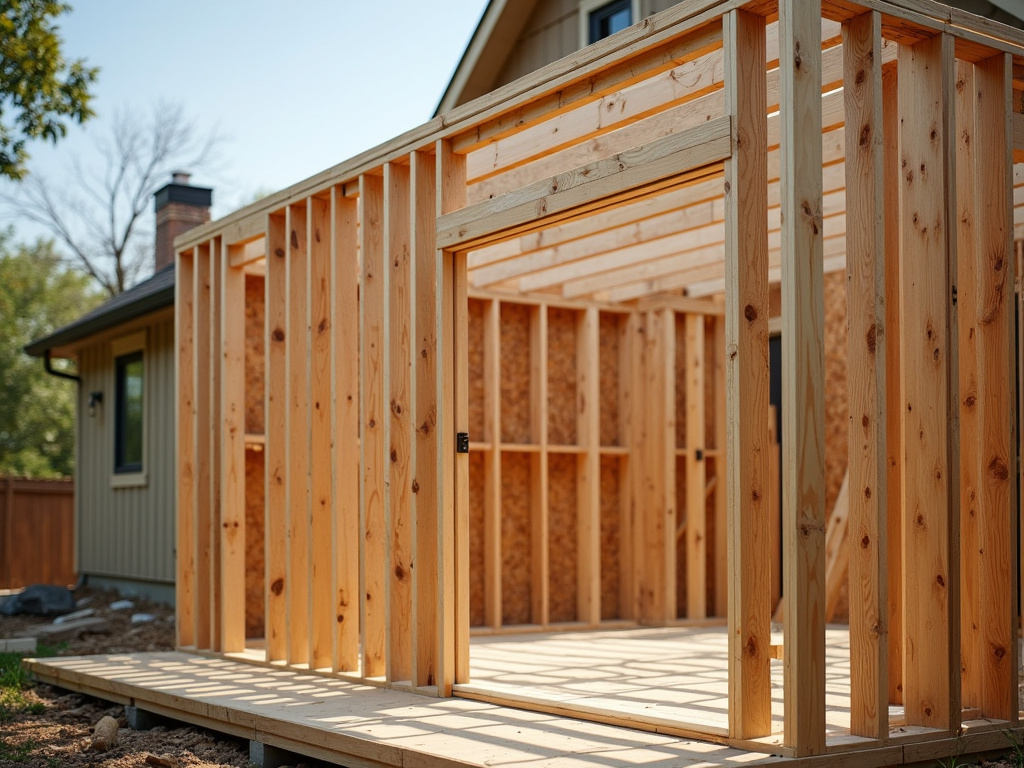
Building and construction practices are the tangible elements of addition projects. Civil engineers and general contractors are key players here. Effective planning involves assessing site conditions, ensuring structural integrity, and managing utilities. For a new wing on a school campus, for example, engineers would need to consider the load-bearing capacity of existing structures and how to integrate new facilities smoothly. Proper permitting from relevant agencies is also vital to prevent interruptions during construction.

Home Additions in Austin: Where to Start
Looking for home additions in Austin, TX? home addition contractors serves the local area and can answer questions specific to Austin.
understanding the community and environmental impact is essential. Zoning boards and environmental agencies scrutinize projects to maintain neighborhood character and protect natural resources. Local communities and neighborhood associations often have input, especially in residential areas. Engaging with these stakeholders early can help anticipate concerns and develop solutions that benefit all parties. In urban areas, adding green spaces or implementing sustainable building practices can enhance community acceptance and address environmental considerations.
| Factor | What to know |
|---|---|
| Legal & zoning compliance | Must follow property law, building codes, and zoning regulations |
| Permitting time | Averages 30 days, can extend up to 90 days |
| Community & environmental review | Neighborhood associations and environmental agencies assess impact |
| Overall project duration | Typically takes 6-9 months from design to inspection |
| Property value boost | Well-permitted additions can raise market value 15-20% |
| Historic district delays | Historic preservation requirements can extend projects over a year |
Execution and Implementation: Building with Care
In Austin, the execution and implementation of the service to existing properties require careful navigation of both legal and logistical hurdles. The process starts with understanding the legal framework, which involves Contract Law and Property Law, especially when dealing with Real Estate Development. Property owners must ensure their plans comply with local zoning regulations, a step important for avoiding future legal complications. The City of Austin’s Zoning Board scrutinizes development plans to ensure they align with the neighborhood’s character and environmental considerations.
Building and construction are key components of successful the service. Architects and Civil Engineers play key roles in designing and overseeing the project. General Contractors manage the day-to-day construction activities, ensuring compliance with building codes and timelines. Permitting agencies, such as the Building Department, review and approve construction plans, a process that can significantly impact project duration. According to data from the Austin Building Department, the average permitting time for residential the service is approximately 30 days, but can extend up to 90 days, depending on complexity.
The community and environmental impact of the service cannot be overlooked. Local Communities and Neighborhood Associations often have input on development plans, especially in dense urban areas. Environmental Agencies may also require assessments for projects that could affect protected habitats or water resources. Considering these factors, the entire process from qualification to completion can take anywhere from several months to over a year. A recent addition project in the South Congress area, involving a historic building, took over a year due to extensive historical preservation requirements.
When questioning "Is The service worth it in Austin?", property owners should consider both immediate benefits and long-term gains. Qualifing for the service requires meticulous planning and adherence to local regulations. However, successful projects can enhance property value, increase living space, and improve overall quality of life. A well-planned and executed addition can be a significant investment, offering returns in the form of increased marketability and a more comfortable home.
Long-Term Impact: Evaluating Added Value
When evaluating the long-term impact of the service, it’s important to consider more than just the immediate construction costs. The service process in Austin, Texas, involves complex interplay between legal, architectural, engineering, and community considerations. Understanding the added value—both tangible and intangible—is key to making informed decisions about expanding existing structures.
In Austin, where the real estate market is solid and the city is known for its vibrant neighborhoods, the service can significantly enhance property value. According to a 2022 study by the Austin Board of Real Estate Appraisers, properties with well-designed and permitted the service often see a 15-20% increase in market value. A mid-century modern home that received a thoughtful second story addition, incorporating modern design elements while preserving the original architecture, sold for 30% above its pre-renovation estimate. However, the service process isn’t solely about financial gain; it’s also about functionality, comfort, and community integration.
The duration of the service process in Austin varies based on project complexity and permitting requirements. On average, from initial design to final inspection, it takes approximately 6-9 months. This timeline includes the time needed for architect and civil engineer consultations, permitting from various agencies like the City of Austin Building Department and local zoning boards, construction, and post-occupancy assessments. A recent addition to a historic home in South Congress required additional scrutiny due to its historical significance, prolonging the process but ultimately resulting in a preservation-friendly design that respected the neighborhood’s character.
To ensure successful the service, property owners should engage experienced professionals, including architects, civil engineers, and general contractors, who can handle the legal and logistical complexities. Proactive communication with local permitting agencies and neighborhood associations can help streamline the process and mitigate potential community concerns. By focusing on these aspects, Austin homeowners can maximize the added value of their properties while minimizing the long-term impact on their communities.
Frequently Asked Questions About The service
What are the service in construction?
The service refer to the process of extending or augmenting an existing structure, typically a home or building. This involves adding new rooms, expanding living spaces, or enhancing facilities. Whether it’s a new kitchen, a bedroom suite, or a home office, the service aim to increase the square footage, functionality, and overall value of a property.
How do I determine if an addition is right for my home?
Several factors influence this decision. Consider your family’s growing needs, changing lifestyles, and the potential for increased property value. A consultation with a professional contractor or architect can help assess your space, analyze your budget, and explore design options tailored to your desires and the property’s constraints.
What are the typical types of the service?
The most common types include:
- Second-story the service: Involve building upward, often adding one or more floors with new rooms.
- Side or rear extensions: These expand the structure horizontally, providing extra space for living areas or outdoor entertainment.
- Basement finishing: Transforming unfinished basement spaces into usable areas, such as family rooms, bedrooms, or recreational zones.
Are there building codes and regulations I should be aware of?
Absolutely. Every region has specific building codes and zoning regulations that dictate construction and addition projects. These rules ensure structural safety, accessibility, and aesthetic consistency. It’s important to consult local authorities and ensure compliance to avoid penalties and ensure a safe, legal addition.
How do I choose a contractor for my addition project?
Select a licensed and experienced contractor with a proven track record in addition work. Request references, view past projects, and compare quotes. Ensure they understand your vision, adhere to building codes, and offer warranties for their workmanship. A reputable contractor will provide peace of mind throughout the construction process.
Can the service increase my home’s value?
Definitely. Well-designed and executed the service can significantly enhance a property’s value. The impact depends on factors like the addition’s quality, functionality, and how well it complements the existing home. A professional addition can attract buyers and command a higher price when selling, making it a sound investment.
As we’ve handled through the multifaceted field of the service, from legal considerations under Contract and Property Law, to the intricate design and construction processes, and culminating in the evaluation of their community and environmental impact, several key insights emerge. Firstly, meticulous planning is the bedrock of successful the service, involving comprehensive legal documentation, strategic design by architects and approval from permitting agencies. Secondly, execution demands meticulous care from skilled civil engineers and general contractors, ensuring adherence to plans while addressing unforeseen challenges. Lastly, evaluating the long-term added value necessitates gauging the positive community and environmental effects, fostering harmonious coexistence with local neighborhoods and regulatory bodies. Embracing these principles will ensure the service not only enhance properties but also enrich the broader community, underscoring the importance of thoughtful, responsible development.
Golden State Builders
3355 Bee Caves Rd Ste 101, Austin, TX 78746
Website: gsbuildersgrouptx.com
View Golden State Builders on Google Maps
How to get to Golden State Builders from H-E-B
Starting near H-E-B? Golden State Builders is a short drive away. Head out on E 7th St and you'll find us on Bee Caves Rd Ste 101 at 3355 Bee Caves Rd Ste 101, Austin, TX 78746. Use the map below for turn-by-turn directions.
For related local guidance, see our additions resources.