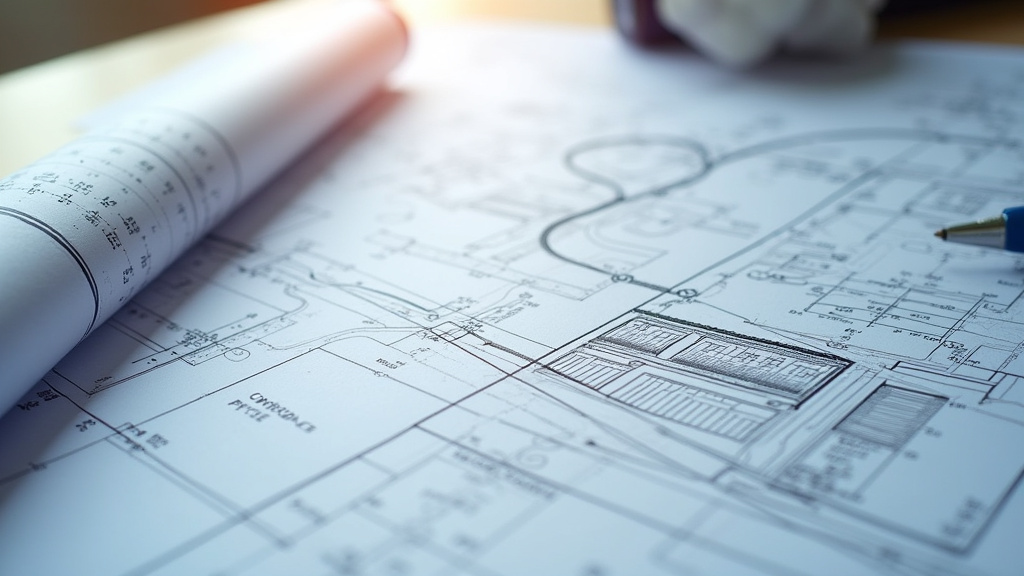
The additions play an important role in expanding living spaces, enhancing property value, and accommodating evolving needs. However, the process of adding on to existing structures is fraught with legal, logistical, and community considerations. From navigating complex contract law and property rights to ensuring structural integrity and mitigating environmental impact, each step demands meticulous planning. This article examines into the multifaceted world of the additions, providing a practical guide for navigating this intricate process. We’ll explore the legal frameworks, construction best practices, and community considerations that underpin successful the additions, ensuring your project complies with regulations and resonates with neighbors.
Planning Effective Additions: Strategies for Success
When considering editions—or, as many refer to them, the additions—to existing properties, meticulous planning is paramount. This is especially true in vibrant, growing cities like Austin, Texas, where real estate development is booming. A well-executed edition can increase property value, enhance livability, and align with the surrounding community’s needs. Yet, without careful consideration, these projects can face delays, budget overruns, and community pushback.
a property owner in Austin sought to add a modern, energy-efficient home office to their 1960s mid-century modern residence. The project seemed straightforward until they encountered the city’s stringent zoning regulations and the neighborhood association’s concerns about maintaining the area’s historic character. By engaging with architects, civil engineers, and a local planning consultant early on, they were able to design a edition that respected the original architecture, incorporated sustainable practices, and won approval from both the city and the neighbors.
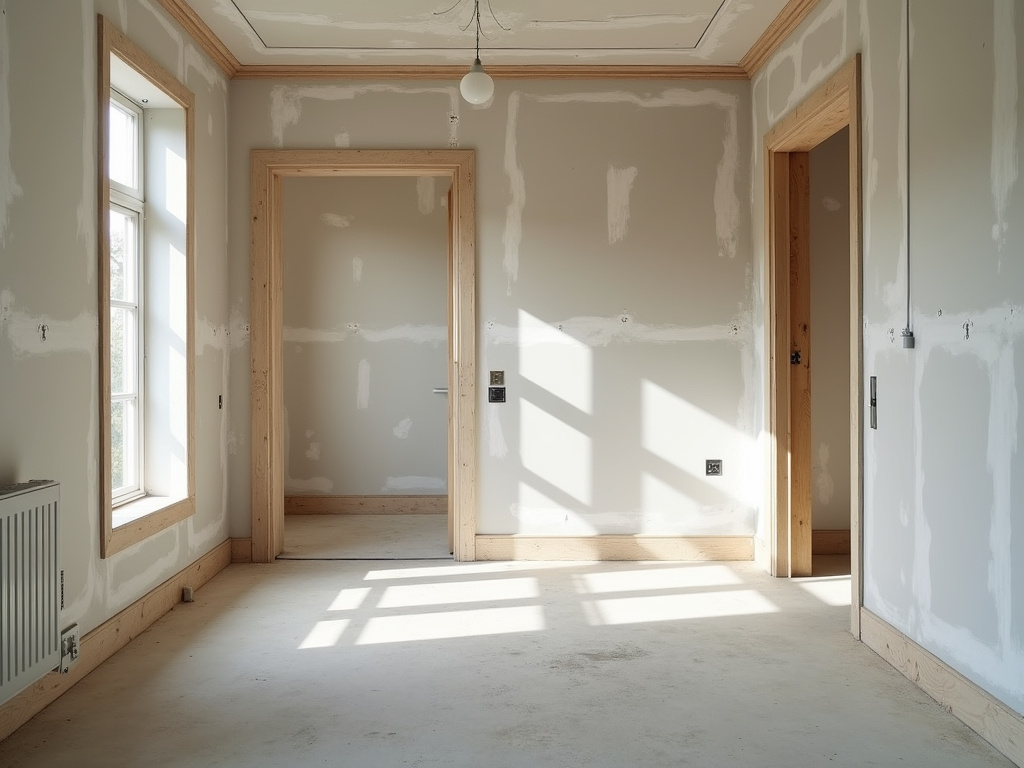
Home Additions in Austin: Where to Start
Looking for home additions in Austin, TX? home additions at Golden State Builders serves the local area and can answer questions specific to Austin.
The planning process for editions involves a series of steps. First, assess the property’s potential and constraints. This includes evaluating the existing structure, soil conditions, and nearby utilities. Next, engage with local permitting agencies to understand zoning laws, building codes, and any historic preservation regulations. Consult with community members and neighborhood associations to gauge public sentiment and address concerns early on. This proactive approach can prevent costly changes or legal issues later in the process.
successful editions often require innovative design solutions. Architects and civil engineers play an important role in integrating the new construction smoothly with the existing property. Using advanced materials and technologies can enhance energy efficiency and sustainability, while clever space planning can maximize the use of limited real estate. A recent project in Austin transformed a small, underutilized backyard into a multi-functional space featuring a home office, outdoor kitchen, and seating area, showcasing both creativity and respect for the surrounding environment.
Execution and Construction: Bringing Additions to Life
The process of executing and constructing the additions is a complex dance involving multiple stakeholders and intricate legal, architectural, and engineering considerations. In Austin, where the real estate market is thriving, the addition process involves a meticulous series of steps that transform a property’s footprint and functionality. This journey begins with a clear vision, whether it’s expanding a kitchen to accommodate a growing family or adding a second story for increased living space.
First, homeowners engage the services of architects and civil engineers who translate their aspirations into detailed plans. These professionals ensure the additions align with local building codes, zoning regulations, and the property’s unique challenges. A property on a sloped lot may require specialized engineering to design a safe and structurally sound addition. Once approved, general contractors take over, managing the day-to-day construction. They source materials, hire subcontractors, and oversee labor, ensuring the project stays on schedule and within budget. Permitting agencies, like the City of Austin Building Department, play an important role in this phase, issuing necessary permits and conducting inspections to verify compliance with the approved plans.
The impact of these the additions extends beyond the physical transformation. Local communities and neighborhood associations often weigh in, considering the development’s environmental and social implications. A large-scale addition to a historic district may require special consideration to preserve the area’s character. Environmental agencies might also be involved, assessing the project’s ecological footprint and ensuring compliance with sustainability regulations. While the process can be lengthy and costly, the payoff is often substantial. According to recent data, residential the additions in Austin have seen an average increase in property value of 20% post-construction, making the investment worthwhile for many homeowners. However, the decision to proceed should consider individual financial situations, project scope, and potential long-term benefits, as each addition is a significant commitment that can reshape not just a home but the lives of its inhabitants.
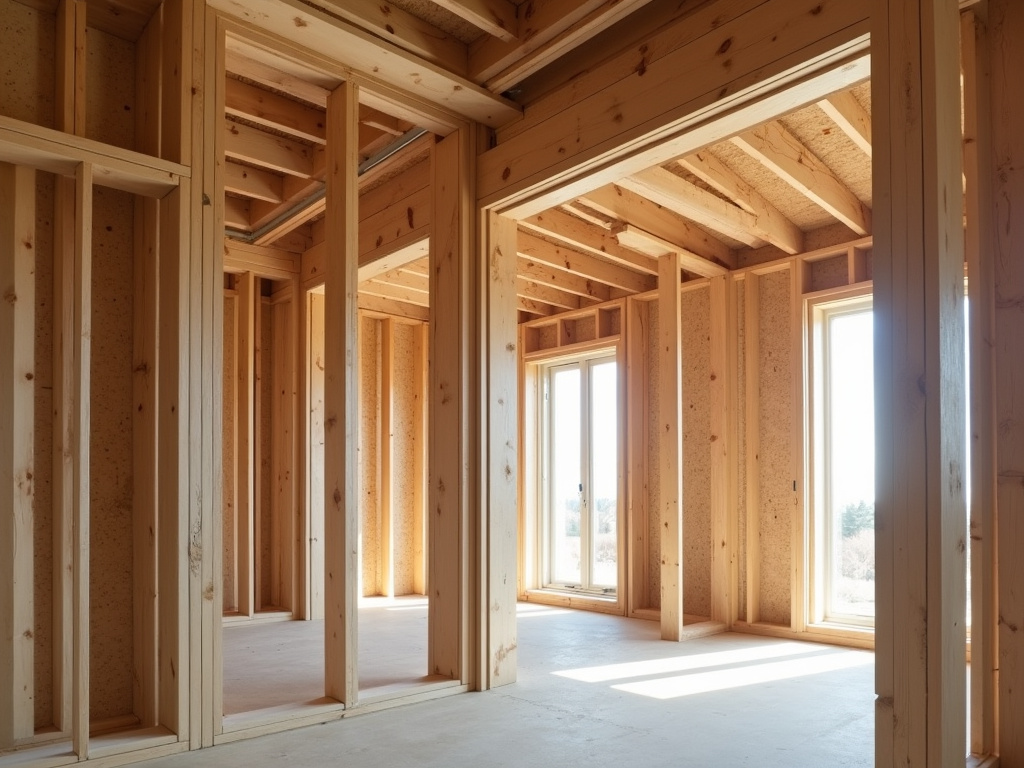
Legal and Financial Considerations: Navigating Additions
In the context of real estate development, the additions—the process of expanding an existing structure—present both significant opportunities and complex challenges. When considering an addition, property owners must handle a web of legal and financial considerations. These range from understanding zoning regulations and obtaining necessary permits to assessing the structural integrity of the existing building and managing construction costs.
Take the city of Austin, Texas, for example. According to data from the Austin Building Department, the average permit processing time for residential the additions is approximately 30 days, with a range of 15 to 45 days, depending on project complexity. This timeline, coupled with potential legal hurdles, can extend the overall project duration. A recent study by the University of Texas found that about 20% of addition projects in Austin faced unexpected legal issues, adding an average of 2 months to the construction period. Thus, the question arises: Is The additions worth it in Austin? The answer lies in meticulous planning, expert advice, and understanding the local market dynamics.
Financial planning is another critical aspect. The additions can dramatically impact property value, with costs varying widely based on the size, complexity, and materials used. A 2022 survey by the National Association of Home Builders found that the average cost of a mid-range kitchen renovation (a common type of addition) ranged from $45,000 to $70,000. Property owners should consider the indirect costs, such as potential relocation expenses and the time value of money. When approached strategically, with input from architects, civil engineers, and general contractors, the additions can enhance living spaces, increase property value, and contribute to the local community’s development, making them a worthwhile investment for many Austin residents.
Throughout the process, engaging with local permitting agencies, zoning boards, and neighborhood associations is important. These entities play a vital role in ensuring that the additions adhere to environmental standards and community expectations. In Austin, the city’s Green Building Program offers incentives for projects that incorporate sustainable design elements, further emphasizing the importance of responsible development. By navigating these legal and financial aspects thoughtfully, property owners can transform their living spaces while contributing positively to the community and environment.
Frequently Asked Questions About Additions
What are the additions, in the context of construction?
The additions refer to the process of expanding or augmenting an existing structure, whether a home, office, or other building. This can involve adding new rooms, extending existing ones, or incorporating new features and amenities to enhance functionality and living space. A popular addition in residential properties is a sunroom, providing extra living area and natural light.
When might someone consider adding to their property?
Homeowners might opt for the additions for various reasons. Growing families may need more room, or changing lifestyle needs could require a home office or dedicated workspace. Renovating to increase property value before selling is another common motivator. According to the National Association of Realtors, renovations and the additions can significantly boost a home’s resale price.
What are the typical types of the additions?
The additions come in diverse forms tailored to individual needs. Common types include:
- Sunrooms or Solaria: Enclosed outdoor spaces filled with natural light, offering a transitional area between indoor and outdoor living.
- Garage Conversions: Transforming garage spaces into livable areas, often used as additional bedrooms or family rooms.
- Basement Finishing: Completing unfinished basement areas to create usable square footage, including new rooms, baths, or recreational spaces.
- Second-Story The additions: Expanding upward by adding new floors or rooms, ideal for properties with adequate space above.
How do I choose the right addition for my home?
The best addition depends on your family’s needs, budget, and home design. Consider factors like:
- Lifestyle: Your daily routines and how the addition will fit into them.
- Budget: Cost estimates for construction, permits, and materials.
- Home Style: Ensure the addition complements your home’s architecture and design.
- Market Value: Research local property values to understand the addition’s potential return on investment.
Who should I hire for my addition project?
Selecting a qualified and experienced contractor is important. Look for professionals with:
- Licensure and Insurance: Ensuring they meet local building codes and have adequate coverage.
- Portfolio and References: Reviewing past projects to gauge quality and customer satisfaction.
- Clear Communication: Effective communication is key to a successful collaboration.
Throughout this exploration, we’ve uncovered the multifaceted nature of the additions—from strategic planning to legal considerations and the hands-on construction process. Key insights reveal the importance of meticulous pre-construction planning, aligning the additions with property and community goals, and engaging all relevant stakeholders. The legal field demands a deep understanding of contracts, property rights, and zoning regulations, while financial considerations necessitate cost-effective design and bidding processes.
On the construction front, successful the additions hinge on meticulous project management, quality craftsmanship, and adherence to safety standards. Architects and civil engineers play key roles in transforming designs into reality, while general contractors oversee execution. Permitting agencies and environmental agencies also figure prominently, ensuring compliance and mitigating community impact.
effective the additions require a complete approach, balancing design, legal, financial, and construction elements. By adopting strategic planning, engaging professionals, and prioritizing community well-being, the additions can enhance property value while smoothly integrating into existing neighborhoods, as evidenced by successful real estate development projects dating back to ancient civilizations.
Golden State Builders
3355 Bee Caves Rd Ste 101, Austin, TX 78746
Website: gsbuildersgrouptx.com
View Golden State Builders on Google Maps
How to get to Golden State Builders from Texas Capitol
Driving in from Texas Capitol? Golden State Builders is close by. Head out on Congress Ave. and you'll find us on Bee Caves Rd Ste 101 at 3355 Bee Caves Rd Ste 101, Austin, TX 78746. Use the map below for turn-by-turn directions.
For related local guidance, see our additions resources.